

The Ultimate Guide to the Best Beginner Strength Training Program for Women
Walking into a gym for the first time can feel like stepping into a foreign country where everyone speaks a language you don’t understand. The clanging weights, the complex machines, the confident lifters—it’s enough to make anyone want to turn around and head straight back to the comfort of walking workouts. But here’s the truth: strength training is one of the most transformative things you can do for your body, mind, and overall health. And finding the best beginner strength training program doesn’t have to be complicated or intimidating.
Whether you’re looking to build lean muscle, boost your metabolism, increase bone density, or simply feel stronger in your daily life, the right program can make all the difference. This comprehensive guide will walk you through everything you need to know to start your strength training journey with confidence and clarity.
Key Takeaways
- ✅ The best beginner strength training program focuses on compound exercises like squats, deadlifts, push-ups, and rows that work multiple muscle groups simultaneously
- ✅ Train 3-4 times per week with full-body workouts lasting 20-30 minutes, allowing adequate recovery between sessions
- ✅ Start with 2-3 sets of 8-12 reps per exercise, focusing on proper form before increasing weight
- ✅ Progressive overload is essential—gradually increase weight, reps, or intensity over time to continue seeing results
- ✅ Recovery and nutrition are just as important as training for building strength and preventing injury
Why Strength Training is Essential for Women
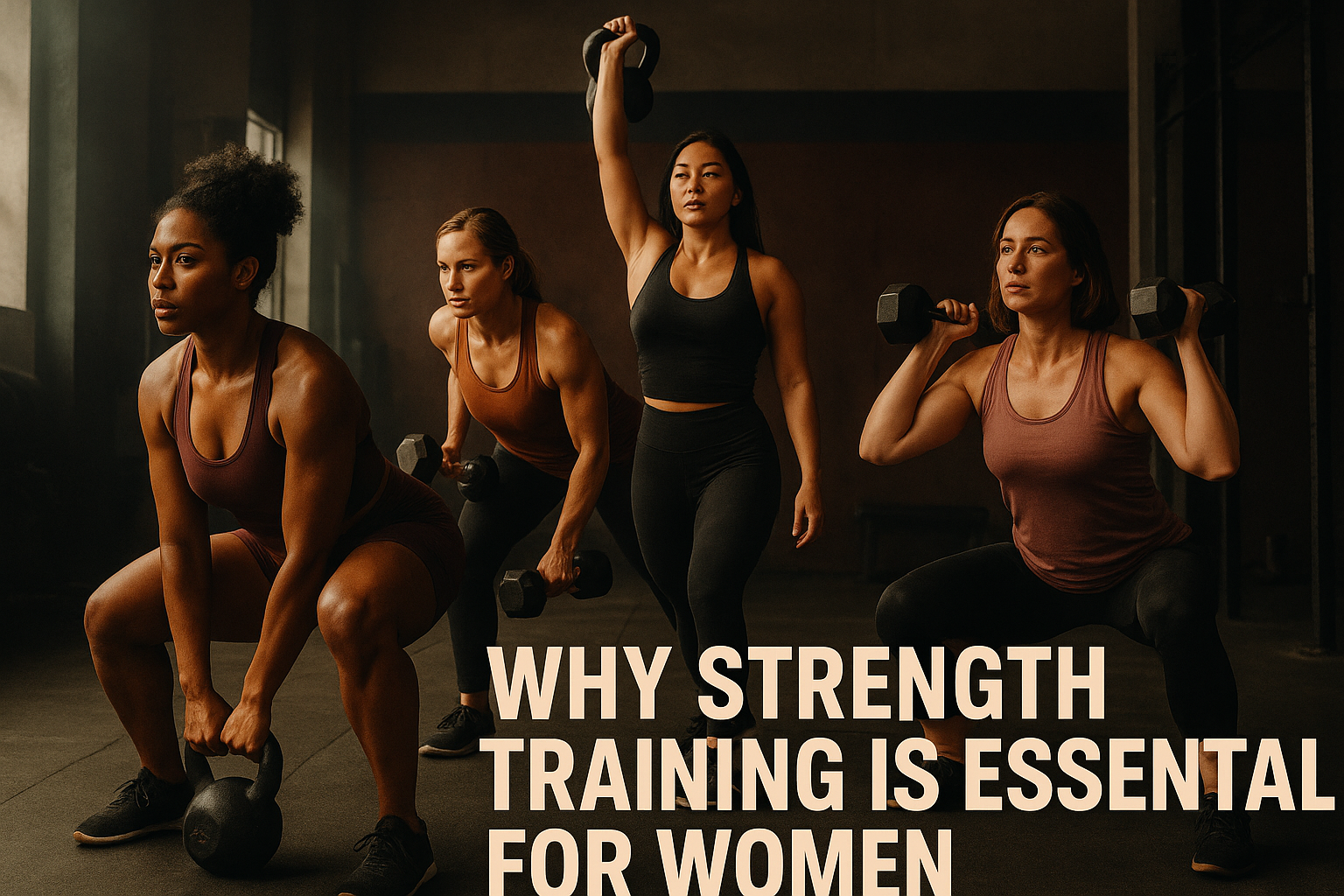
For decades, women were told that cardio was the only path to fitness. While cardio workouts certainly have their place, strength training offers unique benefits that cardio alone cannot provide.
The Science-Backed Benefits
Strength training does far more than build muscle. Research shows it:
- Increases bone density, reducing the risk of osteoporosis as you age
- Boosts metabolic rate, helping you burn more calories even at rest
- Improves insulin sensitivity and blood sugar regulation
- Enhances functional fitness, making daily activities easier
- Reduces symptoms of anxiety and depression
- Improves cardiovascular health alongside traditional cardio exercise
“Strength training is not about becoming bulky—it’s about becoming powerful, capable, and resilient in every aspect of life.”
Breaking the Myths
Let’s address the elephant in the room: No, strength training will not make you bulky. Women have significantly lower testosterone levels than men, making it physiologically difficult to build large amounts of muscle mass without very specific training and nutrition protocols. Instead, strength training helps create a lean, toned physique while supporting overall health.
Understanding the Best Beginner Strength Training Program Components
The best beginner strength training program isn’t about fancy equipment or complicated routines. It’s built on fundamental principles that have stood the test of time.
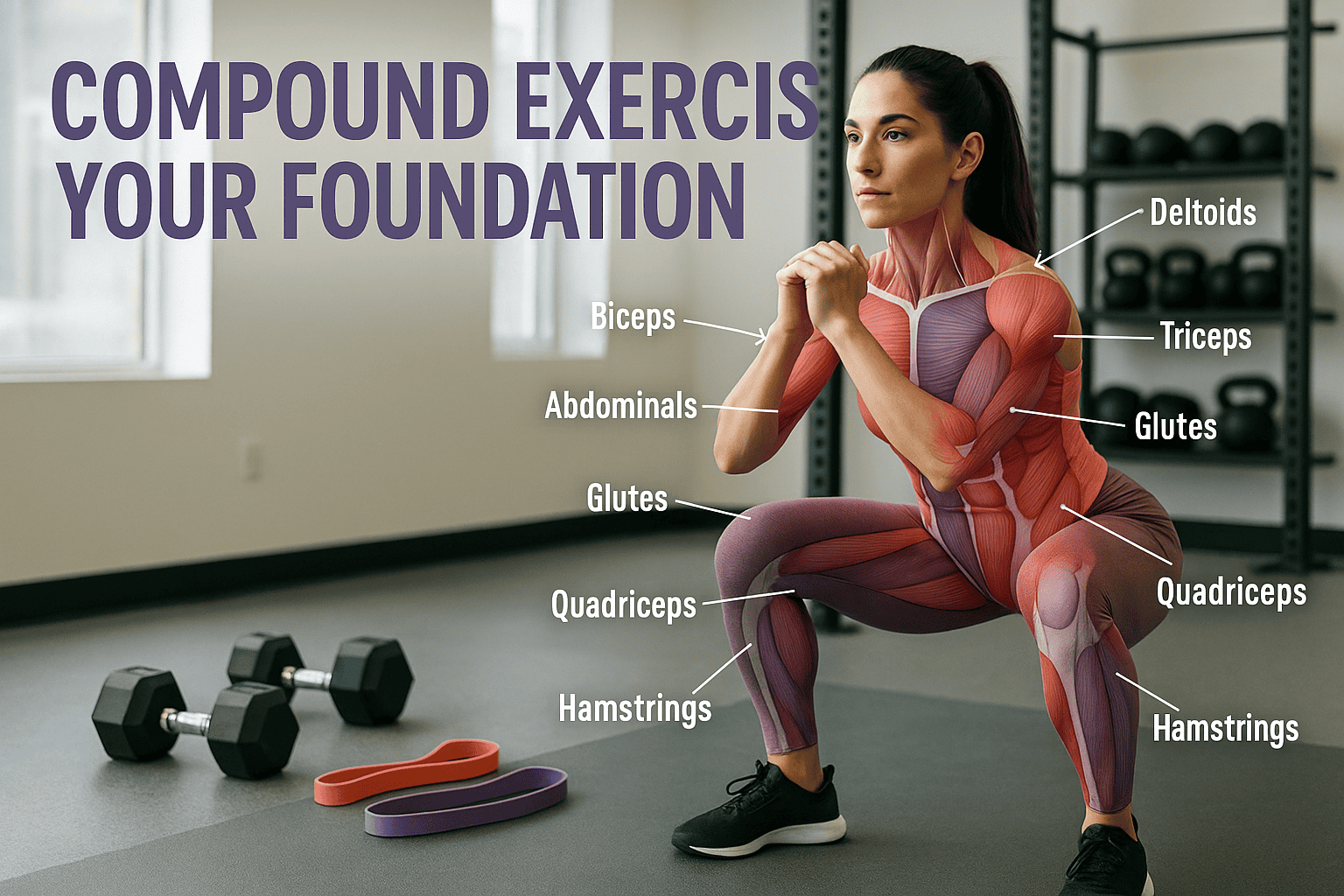
Foundation: Compound Exercises
Compound exercises are the cornerstone of effective beginner programs. These multi-joint movements work several muscle groups at once, providing maximum efficiency and functional benefits[4].
Essential Compound Exercises:
| Exercise | Primary Muscles Worked | Benefits |
|---|---|---|
| Squats | Quads, glutes, hamstrings, core | Builds lower body strength, improves mobility |
| Deadlifts | Entire posterior chain, core | Develops total-body strength, improves posture |
| Push-ups | Chest, shoulders, triceps, core | Upper body strength, no equipment needed |
| Rows | Back, biceps, rear shoulders | Improves posture, balances pushing movements |
| Shoulder Press | Shoulders, triceps, upper chest | Builds overhead strength, stabilizes core |
| Lunges | Quads, glutes, hamstrings, balance | Unilateral strength, functional movement |
These exercises mimic real-life movements, making them incredibly practical for everyday activities like carrying groceries, lifting children, or moving furniture.
Training Frequency and Duration
One of the most common questions beginners ask is: “How often should I train?”
The ideal frequency for the best beginner strength training program is 3-4 full-body sessions per week[4]. This allows for:
- ✨ Adequate recovery time between workouts
- ✨ Consistent stimulus for muscle adaptation
- ✨ Sustainable routine that fits into busy schedules
- ✨ Reduced risk of overtraining and burnout
Each session should last 20-30 minutes[2][4], making it manageable even for those with limited time. This is significantly more time-efficient than many people expect, proving that you don’t need hours in the gym to see results.
Sets, Reps, and Rest Periods
The standard recommendation for beginners is 2-3 sets of 8-12 reps per exercise[4]. This rep range provides an optimal balance between:
- Building muscular strength
- Developing muscular endurance
- Allowing proper form mastery
- Creating metabolic stimulus
Rest periods should be 60-90 seconds between sets[3]. This timeframe allows for adequate recovery while maintaining training intensity and keeping your heart rate elevated.
Popular Beginner Strength Training Programs
Several tried-and-true programs have helped countless beginners build a solid foundation. Understanding these can help you choose or customize the best beginner strength training program for your needs.
StrongLifts 5×5
StrongLifts 5×5 is one of the most popular beginner programs, featuring just five exercises performed for 5 sets of 5 reps[1]. The program alternates between two workouts:
Workout A:
- Squats
- Bench Press
- Barbell Rows
Workout B:
- Squats
- Overhead Press
- Deadlifts
The beauty of StrongLifts lies in its simplicity and focus on linear progression—you add a small amount of weight each session, capitalizing on the beginner’s ability to recover quickly[1].
GreySkull LP
GreySkull LP offers more flexibility than StrongLifts while maintaining the linear progression model[1]. It includes:
- Core barbell lifts
- Optional accessory work
- “AMRAP” (As Many Reps As Possible) final sets
- Built-in deload protocols
This program is excellent for those who want structure with room for personalization.
GZCLP
GZCLP provides a more nuanced approach to progression, organizing exercises into tiers based on importance and rep ranges[1]. It’s slightly more complex but offers excellent results for beginners willing to learn the system.
Full-Body Dumbbell Programs
Not everyone has access to a barbell or prefers to use one. Full-body dumbbell workouts offer incredible versatility and can be performed at home or in any gym[2][4]. A basic dumbbell program might include:
- Goblet Squats
- Dumbbell Romanian Deadlifts
- Dumbbell Bench Press or Floor Press
- Dumbbell Rows
- Dumbbell Shoulder Press
- Dumbbell Lunges
These exercises can be adapted to any fitness level and provide all the benefits of barbell training with added stability challenges.
Creating Your Best Beginner Strength Training Program
Now let’s put this knowledge into action. Here’s how to structure your own program based on proven principles.
Week-by-Week Progression
A smart approach for the first month involves periodized progression[6]:
Week 1: Full-Body Foundation
- Focus: Learning proper form
- Frequency: 3 sessions
- Intensity: Light to moderate weights
- Goal: Master movement patterns
Week 2: Upper/Lower Split Introduction
- Focus: Increased volume
- Frequency: 4 sessions (2 upper, 2 lower)
- Intensity: Moderate weights
- Goal: Build work capacity
Week 3: Push/Pull/Legs
- Focus: Specialized muscle group training
- Frequency: 3-4 sessions
- Intensity: Progressive overload begins
- Goal: Develop strength in specific patterns
Week 4: Full-Body Integration
- Focus: Consolidation and assessment
- Frequency: 4 sessions
- Intensity: Moderate to challenging
- Goal: Evaluate progress and plan next phase
Sample Full-Body Workout
Here’s a practical example of what the best beginner strength training program workout might look like:
Warm-Up (5-10 minutes):
- Brisk walking or light cardio
- Dynamic stretching
- Bodyweight movements (air squats, arm circles)
Main Workout:
- Goblet Squats – 3 sets x 10 reps
- Push-ups (modified if needed) – 3 sets x 8-12 reps
- Dumbbell Romanian Deadlifts – 3 sets x 10 reps
- Dumbbell Rows – 3 sets x 10 reps each arm
- Shoulder Press – 2 sets x 10 reps
- Plank Hold – 2 sets x 20-30 seconds
Cool-Down (5 minutes):
- Static stretching
- Deep breathing
- Mobility work
This workout targets all major muscle groups, takes about 25-30 minutes, and can be performed 3 times per week, with at least 1 rest day between sessions.
Progressive Overload: The Key to Continuous Results
Progressive overload is the fundamental principle that drives muscle growth and strength gains[4]. Simply put, you must gradually increase the demands on your muscles.
How to Implement Progressive Overload
There are several ways to overload your muscles progressively:
- Increase weight – Add 2.5-5 pounds when you can complete all sets with good form
- Increase reps – Add 1-2 reps per set before increasing weight
- Increase sets – Add a set to challenging exercises
- Decrease rest time – Reduce rest periods by 10-15 seconds
- Improve form – Execute exercises with better control and range of motion
- Increase training frequency – Add an extra session per week
The key is to make minor, consistent improvements rather than dramatic jumps that could lead to injury or burnout. Track your workouts in a journal or an app to objectively monitor progress.
When to Progress
A good rule of thumb: when you can complete all prescribed sets and reps with proper form and the last few reps don’t feel incredibly challenging, it’s time to progress. This typically happens every 1-2 weeks for beginners[1].
Nutrition to Support Your Training
The best beginner strength-training program means nothing without proper nutrition to fuel your workouts and support recovery. While you don’t need to follow a restrictive diet, understanding basic nutrition principles is essential.
Protein Requirements
Protein is crucial for muscle repair and growth. Aim for 0.7-1 gram of protein per pound of body weight daily. Good sources include:
- Lean meats (chicken, turkey, lean beef)
- Fish and seafood
- Eggs
- Greek yogurt
- Legumes and beans
- Protein supplements, if needed
Balanced Nutrition
A well-rounded diet should include:
- Carbohydrates for energy (whole grains, fruits, vegetables)
- Healthy fats for hormone production (avocados, nuts, olive oil)
- Plenty of vegetables for micronutrients and fiber
- Adequate hydration (at least eight glasses of water daily)
For women looking to optimize their nutrition alongside training, exploring sustainable weight loss strategies and optimal nutrition for women’s health can provide valuable guidance.
Pre and Post-Workout Nutrition
Pre-workout (1-2 hours before):
- Moderate carbohydrates for energy
- Small amount of protein
- Light, easily digestible foods
Some women find that pre-workout supplements help enhance their training performance and energy levels.
Post-workout (within 2 hours):
- Protein for muscle recovery
- Carbohydrates to replenish glycogen
- Hydration to replace fluids lost
Recovery: The Missing Piece
Many beginners focus solely on training and nutrition while neglecting recovery—arguably the most critical component of any program[4].
Why Recovery Matters
Your muscles don’t grow during workouts; they grow during recovery. When you strength train, you create microscopic tears in muscle fibers. During rest, your body repairs these tears, making the muscles stronger and more resilient.
Recovery Strategies
Sleep: Aim for 7-9 hours of quality sleep per night. Understanding how much sleep women need can help optimize recovery and results.
Rest Days: Take at least 1-2 complete rest days per week. On these days, you can still engage in light activity like walking or gentle stretching.
Active Recovery: Light movement on rest days promotes blood flow and reduces soreness. Consider:
- Gentle yoga
- Swimming
- Easy walking
- Foam rolling
Stress Management: Chronic stress elevates cortisol, which can interfere with recovery. Incorporate stress-reduction techniques like meditation, deep breathing, or hobbies you enjoy.
Mobility Work: Dedicate 10-15 minutes several times per week to mobility exercises and stretching to maintain flexibility and prevent injury[4].
Common Mistakes to Avoid
Even with the best beginner strength-training program, mistakes are inevitable and can hinder progress or lead to injury.
1. Doing Too Much Too Soon
The Problem: Enthusiasm leads many beginners to train too frequently or with too much volume, resulting in burnout or injury.
The Solution: Start conservatively. It’s better to do slightly less and progress steadily than to do too much and have to take time off to recover.
2. Neglecting Form for Weight
The Problem: Lifting heavier weights with poor form increases injury risk and reduces the effectiveness of exercise.
The Solution: Master proper form with lighter weights before progressing. Consider working with a trainer for initial form coaching.
3. Skipping Warm-Ups and Cool-Downs
The Problem: Jumping straight into heavy lifting without preparation increases injury risk.
The Solution: Always spend 5-10 minutes warming up and cooling down. Your body will thank you.
4. Not Tracking Progress
The Problem: Without tracking, it’s impossible to know if you’re truly progressing or just spinning your wheels.
The Solution: Keep a simple workout log noting exercises, weights, sets, and reps. Review it weekly to ensure progression.
5. Ignoring Pain
The Problem: Pushing through pain (not to be confused with normal muscle fatigue) can turn minor issues into major injuries.
The Solution: Learn to distinguish between productive discomfort and pain signaling a problem. When in doubt, rest and consult a healthcare professional.
Adapting Your Program to Different Settings
The beauty of the best beginner strength training program is its adaptability to various environments and equipment availability.
Home Workouts
You can build significant strength at home with minimal equipment[2][4]. Options include:
Bodyweight Only:
- Push-up variations
- Bodyweight squats and lunges
- Planks and core work
- Glute bridges
- Step-ups using stairs
With Dumbbells:
- All the compound exercises mentioned earlier
- Increased resistance for progressive overload
- Greater exercise variety
With Resistance Bands:
- Portable and affordable
- Provides constant tension
- Excellent for travel
For those interested in how to get fit at home, strength training can be seamlessly integrated into a comprehensive home fitness routine.
Gym Workouts
Gym access provides the most options:
- Barbells for traditional programs like StrongLifts 5×5
- Machines for guided movements and isolation work
- Cable systems for varied resistance angles
- Free weights in various increments for precise progression
Combining with Other Activities
Strength training complements other fitness activities beautifully. You can combine it with:
- Walking or running for cardiovascular health
- Yoga for flexibility and mindfulness
- Swimming for low-impact cardio
- Sports for recreation and skill development
The key is balancing volume and intensity to avoid overtraining. For example, if you’re doing cardio workouts at home, you might reduce strength training frequency to 3 days per week to allow adequate recovery.
Measuring Progress Beyond the Scale
While many women start strength training for weight loss, the scale doesn’t tell the whole story. In fact, you might gain weight initially as you build muscle (which is denser than fat).
Better Progress Indicators
📊 Strength Gains: Can you lift heavier weights or do more reps than last month?
📏 Body Measurements: Track waist, hip, arm, and thigh measurements monthly.
📸 Progress Photos: Take photos from multiple angles every 4 weeks in consistent lighting and clothing.
👗 How Clothes Fit: Often the best indicator of body composition changes.
💪 Energy Levels: Do you feel more energetic throughout the day?
🏃♀️ Functional Improvements: Are daily activities easier? Can you carry heavier groceries or play longer with your kids?
😊 Mental Health: Are you feeling more confident, less stressed, or sleeping better?
These non-scale victories often matter more than the number on the scale and provide a more complete picture of your health transformation.
Graduating to Intermediate Programs
After 8-12 weeks on a beginner program, you may be ready to progress to intermediate-level training. Signs you’re ready include:
- Consistent training for at least 2-3 months
- Mastery of basic movement patterns
- Plateauing progress on linear progression
- Desire for more variety or specialization
Intermediate programs like Madcow 5×5, Building the Monolith, or nSuns offer more sophisticated programming with varied periodization[1][7]. These programs provide:
- More frequent heavy lifting exposure
- Greater volume and intensity
- More complex progression schemes
- Specialized focus areas
However, don’t rush to advance. Many lifters benefit from staying with beginner programs for 6-12 months, building a rock-solid foundation before moving on.
Staying Motivated for the Long Haul
The best beginner strength training program only works if you stick with it. Here are strategies to maintain motivation:
Set SMART Goals
- Specific: “Squat 100 pounds,” not “get stronger.”
- Measurable: Track with numbers
- Achievable: Challenging but realistic
- Relevant: Aligned with your values
- Time-bound: Set deadlines
Find Your Why
Connect your training to deeper values. Are you training to:
- Set a positive example for your children?
- Maintain independence as you age?
- Overcome a health challenge?
- Prove something to yourself?
Build Community
Training doesn’t have to be solitary. Consider:
- Finding a workout partner
- Joining a fitness class
- Participating in online communities
- Sharing your journey on social media
Celebrate Small Wins
Every workout completed, every pound added, every form improvement deserves recognition. Celebrate these victories to maintain momentum.
Embrace the Process
Results take time. Focus on enjoying the journey rather than fixating on the destination. Find pleasure in the ritual of training, the feeling of getting stronger, and the discipline of showing up.
Frequently Asked Questions
How long before I see results from strength training?
Most beginners notice initial changes within 4-6 weeks, including increased strength, better energy, and improved mood[4]. Visible muscle definition typically takes 8-12 weeks of consistent training and proper nutrition.
Can I lose weight while strength training?
Absolutely! Strength training boosts metabolism and helps maintain muscle mass during weight loss. For optimal results, combine strength training with a balanced weight loss diet plan and moderate caloric deficit.
Do I need supplements?
No, supplements aren’t necessary for beginners. Focus on whole foods and adequate protein first. Once you’ve mastered the basics of nutrition, you might consider protein powder for convenience, but it’s not essential.
What if I can’t do specific exercises?
Every exercise has modifications and alternatives. Can’t do push-ups? Start with wall push-ups or incline push-ups. Struggling with squats? Try box squats or assisted squats. Work with what your body can do today and progress from there.
How do I avoid getting bulky?
As mentioned earlier, women don’t easily build large muscles due to hormonal differences. Strength training creates a lean, toned appearance. If you’re concerned, focus on moderate weights with 8-12 reps rather than very heavy weights with low reps.
Can I strength train during my period?
Yes! Unless you experience severe symptoms, there’s no reason to skip training during menstruation. Some women find that exercise actually helps reduce cramping and improves mood. Listen to your body and adjust intensity as needed.
Conclusion: Your Strength Training Journey Starts Now
The best beginner strength training program isn’t about perfection—it’s about consistency, progression, and finding what works for your unique body and lifestyle. Whether you choose StrongLifts 5×5, create a custom dumbbell routine, or follow a structured periodized plan, the most important factor is starting and staying consistent.
Remember these key principles:
✨ Focus on compound exercises that work multiple muscle groups
✨ Train 3-4 times per week with adequate recovery
✨ Start with 2-3 sets of 8-12 reps and proper form
✨ Progress gradually through small, sustainable increases
✨ Fuel your body with adequate protein and balanced nutrition
✨ Prioritize recovery through sleep, rest days, and stress management
✨ Track your progress beyond just the scale
✨ Stay patient and consistent—results compound over time
Your Next Steps
Choose your program: Select one of the beginner programs discussed or create your own based on the principles outlined.
Schedule your workouts: Block out 3-4 time slots in your calendar for the next month.
Gather your equipment: Decide whether you’ll train at home or in a gym and acquire the necessary equipment.
Learn proper form: Watch instructional videos, work with a trainer, or start with very light weights to master movements.
Start today: Don’t wait for the “perfect” time. Begin with what you have, where you are.
Track everything: Start a workout journal or use a fitness app to monitor your progress.
Be patient with yourself: Remember that every expert was once a beginner. Give yourself grace as you learn.
Strength training is a journey of self-discovery and empowerment. It teaches discipline, resilience, and the incredible capability of your body. As you progress from your first wobbly squat to confidently lifting weights you never thought possible, you’ll discover strength that extends far beyond the gym.
The weights are waiting. Your stronger, more confident self is waiting. All that’s left is to take that first step. You’ve got this! 💪
References
[1] Linear progression beginner programs, including StrongLifts 5×5, GreySkull LP, and GZCLP methodology and progression protocols
[2] Time-efficient beginner workout protocols and duration recommendations for novice lifters
[3] Rest period optimization for beginner strength training programs
[4] Foundational exercise selection, training frequency, rep ranges, and progressive overload principles for beginning strength athletes
[6] Periodized 4-week beginner program structure and progression models
[7] Intermediate program characteristics, including nSuns programming for novice-to-intermediate transition
[sendfox_signup title="Enjoyed This? Get More Tips" description="Join our newsletter for weekly fitness tips and motivation that actually work."]